
Case Study - 01
GARNI
(Daikanyama)
空間演出デザイン
ブランドや飲食店などの什器を企画案段階から様々なご提案をさせていただきます。
私たちが目指すのは、単なる和室の素材としての畳ではありません。 什器、壁面、あるいは空間のアクセントとして、寄り添いを大切に。素材の選定から工法の検討まで、クリエイティブな空間づくりを技術で支えます。


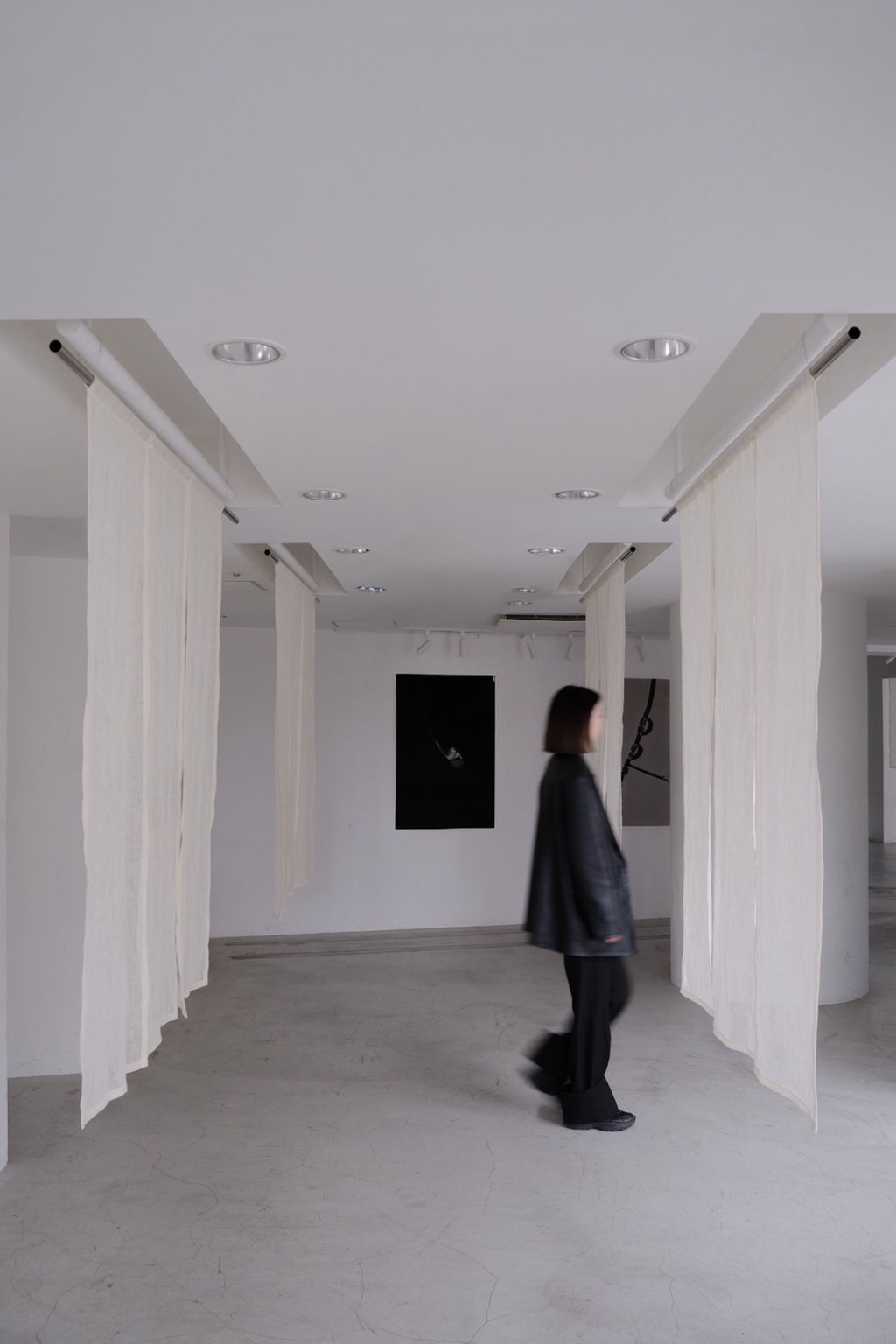

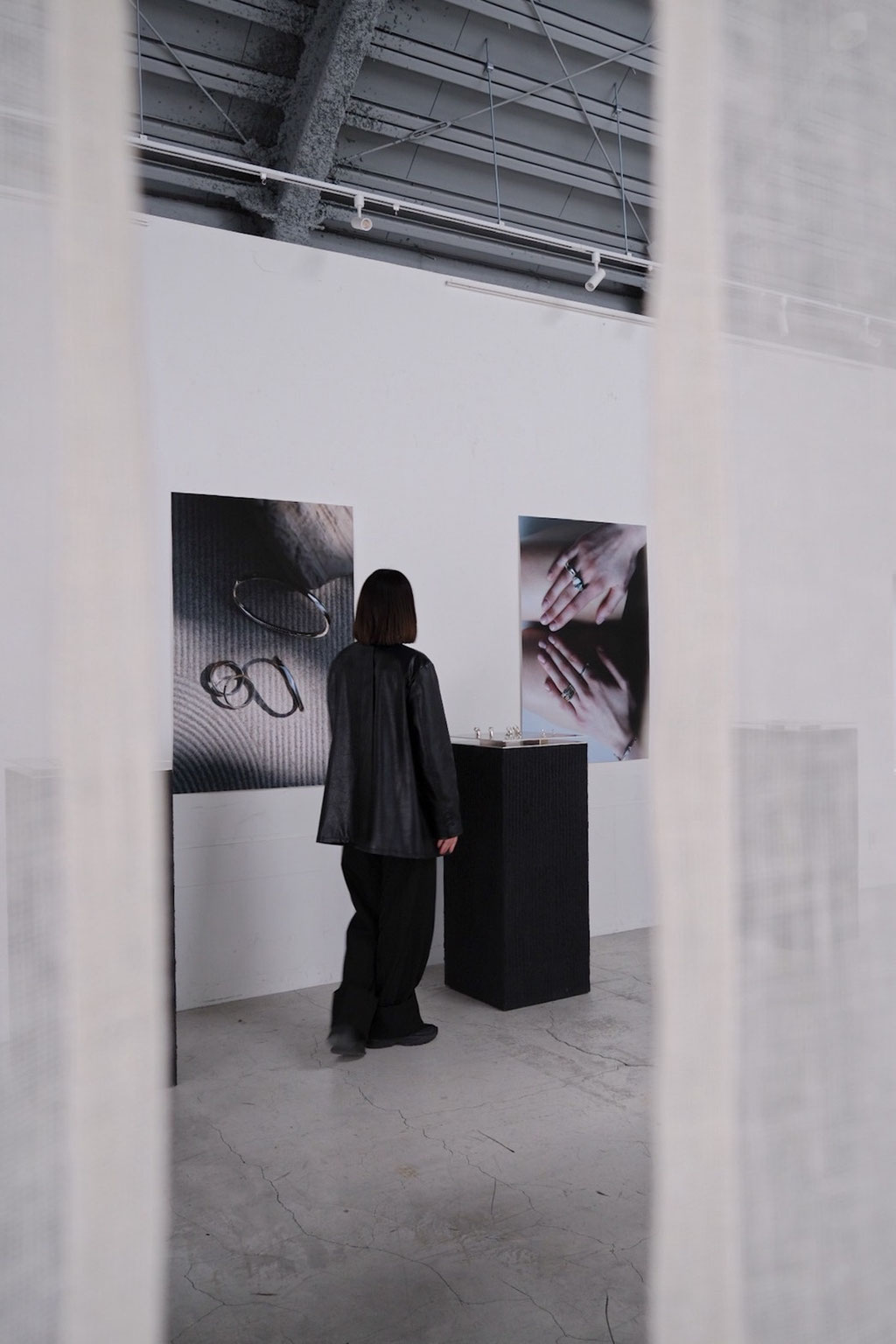
【課題】
「ジュエリーの輝きを静かに引き立て、空間に時間軸(経年変化)を感じさせる素材はないか」
代官山という洗練された立地でのポップアップ。新畳のような瑞々しい青さではなく、最初から空間に馴染み、プロダクトの背景として奥行きを与える質感が求められました。
【解決】
「床の間で愛されてきた『龍びん表』による、現代的な空間への翻訳」
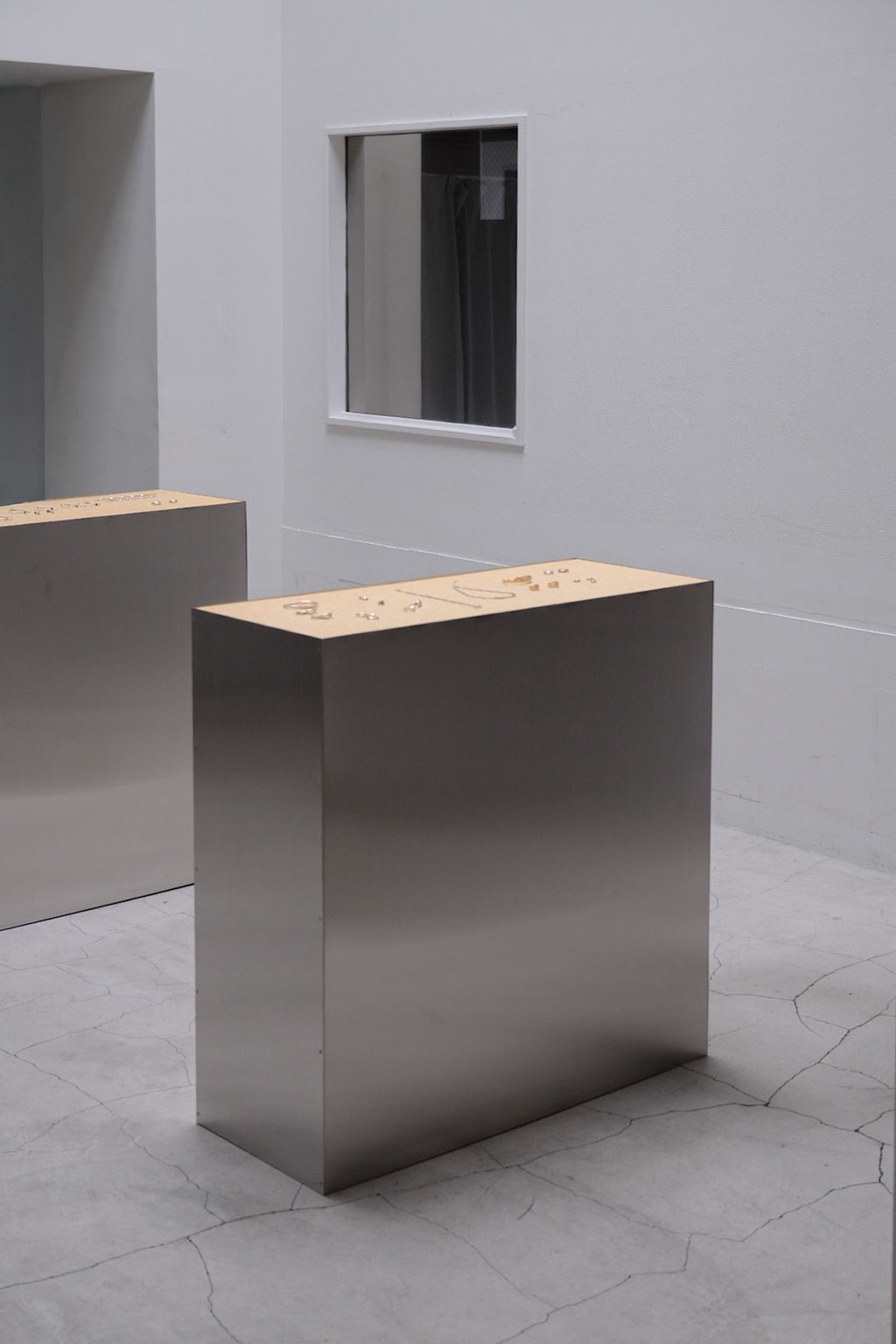
通常は格式高い床の間で使用される、天日干しを繰り返した「龍びん表」をご提案。 その黄金色の落ち着いた風合いは、ジュエリーの金属光沢と見事なコントラストを描き、モダンな空間の中に「有機的な温かみ」と「歴史の深み」を共存させました。
________
[The Challenge]
"Searching for a material that quietly enhances the brilliance of jewelry while evoking a sense of time and patina within the space." For a pop-up in the sophisticated district of Daikanyama, the project demanded a texture that offered depth as a backdrop for the products—integrating seamlessly into the environment from day one, rather than the vibrant, fresh green of new tatami.
[The Solution]
"Translating the traditional 'Ryubin-omote,' long-cherished in alcoves (Tokonoma), into a contemporary spatial language." We proposed "Ryubin-omote," a material traditionally reserved for formal alcoves and crafted through repeated sun-drying. Its muted, golden hue creates a stunning contrast with the metallic luster of the jewelry, allowing an "organic warmth" and "historical depth" to coexist within a modern setting.
_
By Naohiro Tokuda
4th Generation Successor,
Tokuda Tatami Fusuma Shop.